


Presentation design continues to evolve rapidly. In 2026, audiences expect slides that communicate ideas clearly, look modern, and support confident decision-making. Overcrowded layouts and generic visuals no longer work. Teams now prioritize clarity, structure, and storytelling that helps audiences absorb information quickly and effectively.
Understanding the top presentation design trends in 2026 helps you create decks that feel current, polished, and impactful across meetings, pitches, and virtual presentations.
Cleaner, Minimal Layouts for Clear Communication
Minimal design remains essential in 2026. Slides focus on removing visual noise and directing attention to the core message using open space and structured layouts.
You’ll see this through:
• more white space
• fewer text blocks
• clean alignment
• one clear idea per slide
Minimal layouts reduce cognitive overload and improve comprehension, making them a foundational element of modern presentation design.
Authentic Visual Storytelling
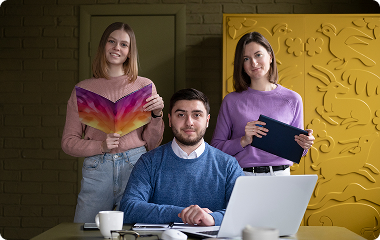
Generic stock visuals continue to fade out. In 2026, presentation design leans heavily on real, authentic visuals. Teams use project images, real scenarios, and customer proof to strengthen credibility.
Authentic visuals provide context faster, demonstrate real outcomes, and help audiences connect with the message more deeply—improving trust and retention.
AI-Assisted Slide Development
AI tools play a larger role in supporting presentation workflows. Teams use AI to generate outlines, suggest layouts, and maintain formatting consistency, significantly reducing manual effort.
However, human input remains essential. Designers refine hierarchy, storytelling flow, and intent, ensuring that AI enhances efficiency without sacrificing clarity.
Bold Typography and Readability in Top Presentation Design Trends in 2026
Typography is a key driver of clarity in 2026. Slides rely on strong headings and clean body text that perform well across screens, rooms, and virtual environments.
Key typography trends include:
• larger font sizes
• high-contrast headlines
• limited font families
• improved spacing and alignment
This makes slides easier to scan and helps audiences understand priorities instantly.
Motion Graphics and Subtle Animation
Animation is now purposeful rather than decorative. Subtle motion guides attention, controls pacing, and supports storytelling.
Micro-animations, smooth transitions, and progressive builds help explain ideas step by step—keeping audiences engaged without distraction.
Structured Data Visualization
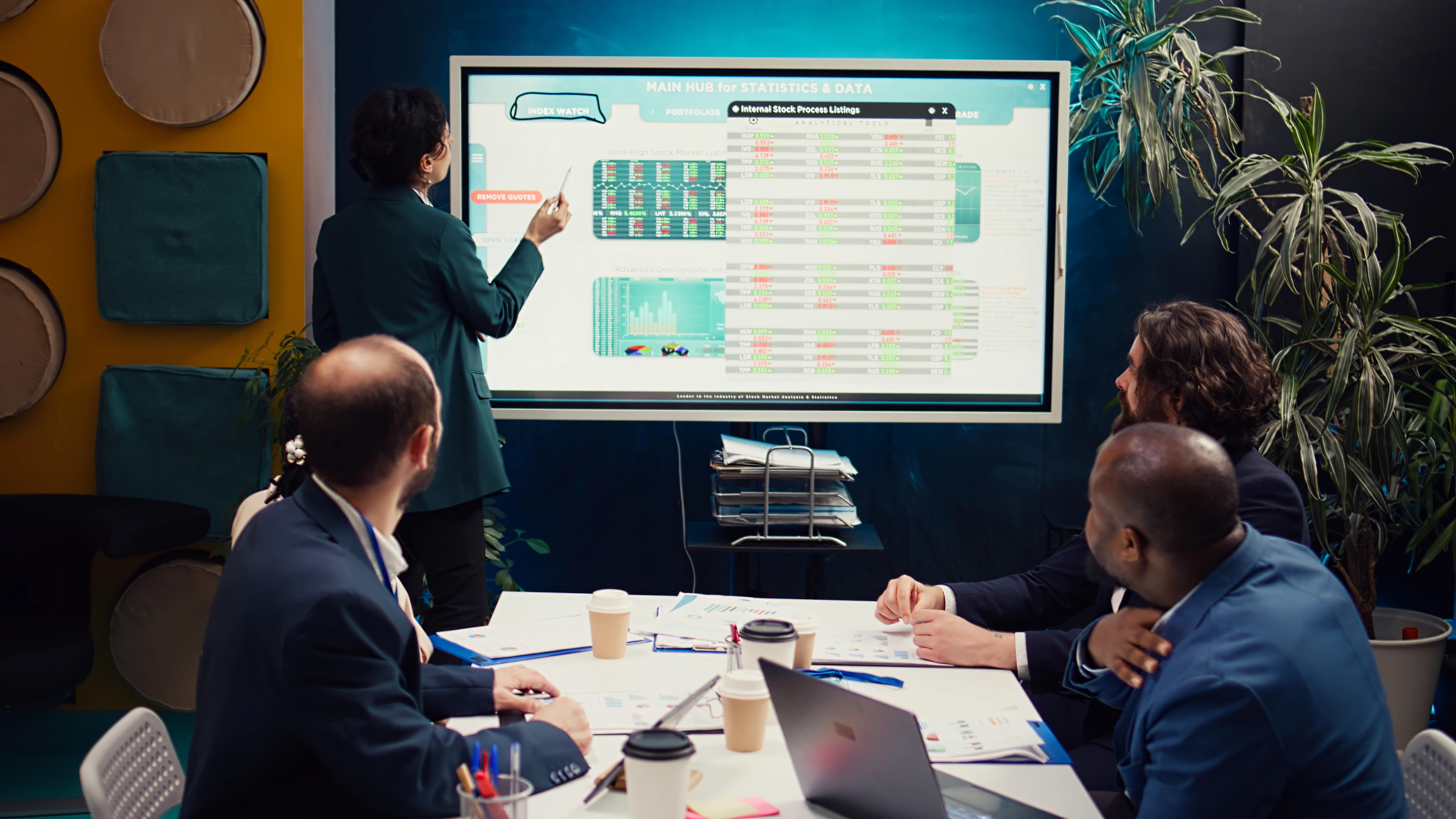
Data-heavy slides are more refined in 2026. Instead of overwhelming audiences with numbers, designers highlight insights and remove unnecessary elements.
Clear, focused data visuals allow decision-makers to understand insights quickly and act with confidence.
Brand-Driven Design Systems
Organizations increasingly rely on presentation design systems. These systems define brand colors, typography, layouts, and visual rules.
Design systems ensure consistency across teams, reduce rework, and make it easier to scale high-quality presentations.
Conclusion
The top presentation design trends in 2026 emphasize clarity, structure, and audience experience. Clean layouts improve focus. Authentic visuals build trust. AI accelerates workflows. Typography enhances readability. Motion supports understanding. Data becomes clearer. Brand systems ensure consistency.
When applied correctly, these trends transform presentations into powerful communication tools—not just visual aids.
Turn Your Slides Into Clear, Confident Communication
VGDS Global helps teams implement the top presentation design trends in 2026 through clean layouts, authentic visuals, and strong structure. Create presentations that feel modern, communicate clearly, and leave a lasting impression in every business setting.